 Skip to content
 Deutsch
 Vouchers
 Merch store
Passport photo, Nicht kategorisiert
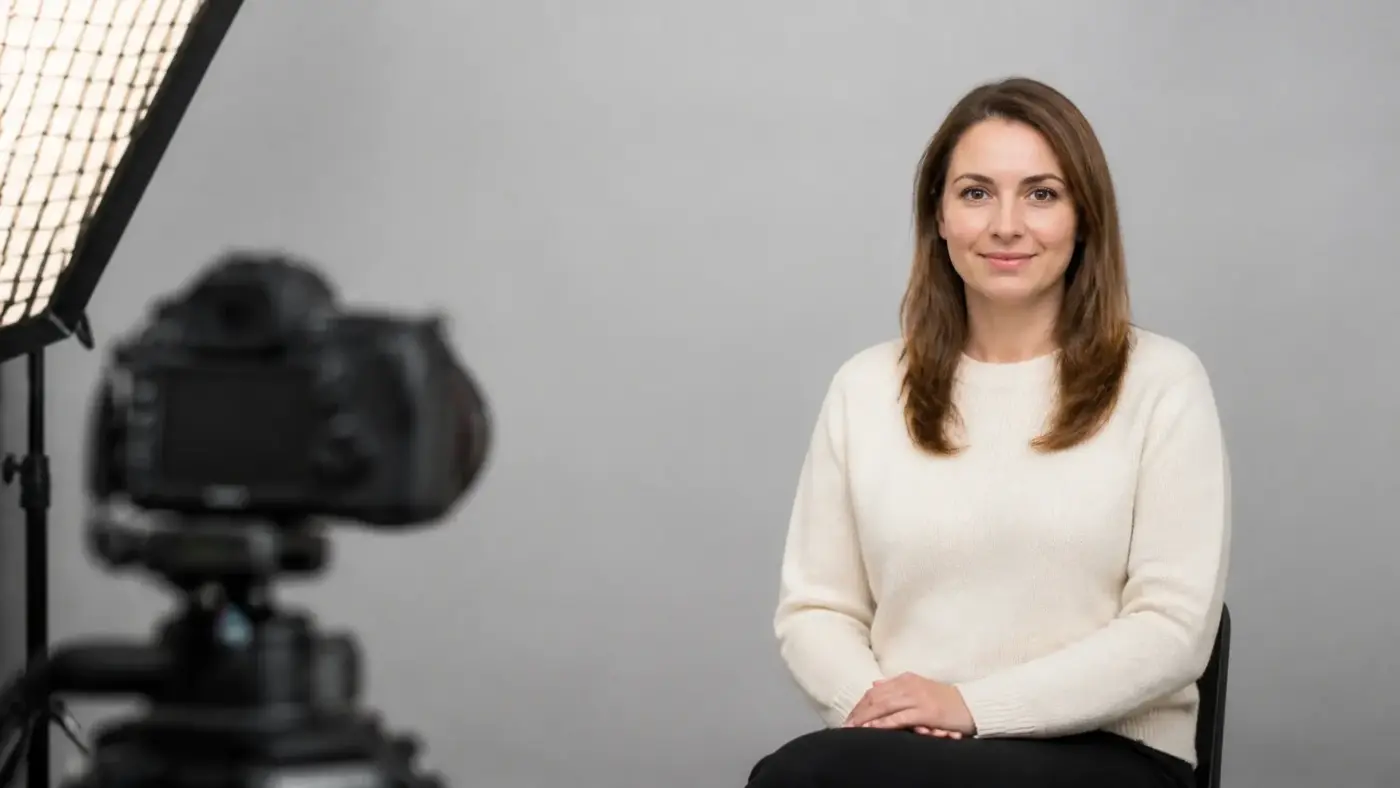
Professional biometric passport photo session at PM STUDIOS in Munich
Aug
Need a new passport photo in Munich for your passport, ID card, residence permit or visa application? A biometric passport photo may look simple, but it has to meet strict official requirements while still representing you naturally and professionally. At PM STUDIOS, we create high-quality digital passport photos in a calm studio environment, with professional lighting, clear guidance and attention to every important detail.
Digital Passport Photos in Munich: Everything You Need to Know
A passport photo is not an ordinary portrait. It is used for official identification and may stay with you for years on important travel and identity documents. That is why a professional passport photo matters. It needs to be technically correct, current, clear and suitable for biometric recognition. At the same time, it should look natural, neat and well-lit.
Whether you are applying for a German passport, an identity card, a residence permit or an international visa, a high-quality biometric photo can help make the process smoother. Instead of relying on a photo booth, a smartphone image or a rushed self-service machine, a professional studio provides controlled lighting, correct camera positioning and personal assistance throughout the session.
At PM STUDIOS in Munich, we create professional passport photos with a focus on biometric requirements, digital processing and a natural result. You will receive clear guidance in front of the camera, so you do not have to worry about posture, framing, lighting or the technical details behind an official photo.
Digital passport photos at a glance
- Professional biometric passport photos in Munich.
- Suitable for German passports, ID cards and many official documents.
- Created with controlled studio lighting and a neutral background.
- Clear guidance for posture, facial expression and camera position.
- Digital passport photo process for applicable official German documents.
- Visa photos and international formats may require different specifications.
Why a professional passport photo makes a difference
A biometric passport photo has a very specific purpose: it must allow authorities to identify a person reliably. This means that the image cannot be heavily stylised, excessively retouched or creatively posed. The face needs to be visible, centred and evenly lit. The background must be plain, the image must be sharp and the expression should be neutral.
These requirements can make passport photos feel impersonal. However, technical rules do not mean that your photo has to look unflattering or uncomfortable. With professional lighting, careful positioning and a calm approach, it is possible to create an official image that looks clean, natural and well-balanced.
Many people feel uncomfortable in front of a camera, especially when they are told not to smile or pose. A professional photographer can make this process easier. Small adjustments in posture, chin position, eye line and head alignment can have a significant effect on the final result. The goal is not to create a dramatic portrait, but a trustworthy and natural image that meets the necessary requirements.
At PM STUDIOS, the setup is designed specifically for professional photography. The camera is positioned correctly, the background is controlled and the lighting is arranged to avoid harsh shadows. This creates a much more reliable result than trying to take the image yourself against a wall at home or using an uncontrolled photo booth.
Digital passport photos in Germany: What changed?
The process for passport photos in Germany has become increasingly digital. For official documents such as German passports and identity cards, the photograph is no longer simply handed over as a printed picture in the traditional way. Instead, the photo is created digitally and made available to the relevant authority through a secure process.
If your passport photo is taken by a participating professional photography studio, the image can be securely transmitted and made available for your appointment at the relevant authority. You receive a Data Matrix code, similar in appearance to a QR code, which allows the authority to access the digital image through the official system.
This process was introduced to improve security and reduce the risk of manipulated images. It also helps standardise the technical quality of passport photographs. The image itself must still meet the biometric requirements: it must be current, clear, frontal and suitable for identification.
The digital process primarily applies to official German identity documents. Other documents may follow different rules. For example, driving licence applications, visa applications, health insurance cards, job applications and foreign passports can have different requirements for image size, print format, digital files or background colour. It is always advisable to check the requirements for your specific application before your appointment.
What makes a passport photo biometric?
A biometric passport photo follows official standards designed to ensure that a person can be recognised reliably. The photo should show the face clearly and without distracting elements. It is not about looking overly serious or unnatural; it is about presenting your face in a clear, consistent and recognisable way.
Facing the camera directly
Your face should be positioned straight toward the camera. A turned head, a tilted chin or a sideways glance can make the image unsuitable. The camera should be positioned at the correct height so that your face is naturally centred. During a professional session, you receive simple guidance to help you maintain the correct position without looking stiff.
A neutral and natural facial expression
Biometric passport photos generally require a neutral expression and a closed mouth. While this may sound restrictive, neutral does not mean unfriendly. A calm, relaxed expression can still look open and approachable. The important thing is that your facial features remain clearly visible and are not distorted by an exaggerated smile, raised eyebrows or dramatic expression.
Even studio lighting
Good lighting is one of the most important parts of a professional passport photo. Uneven lighting, dark shadows, bright hotspots or strong reflections can cause problems. In a studio, lighting is placed carefully to illuminate the face evenly and to keep the background clean and neutral.
This is especially important for people wearing glasses. Reflections in lenses can hide the eyes and make a photo unsuitable for official use. Controlled lighting and careful positioning help reduce unwanted reflections while keeping the eyes clearly visible.
A plain, neutral background
The background of a biometric photo should be plain, light and free from patterns, objects or visible textures. It should not distract from the face. It should also provide enough contrast with your hair and clothing so that the outline of your head is clearly visible.
A professional studio environment makes this easy. There is no need to search for an empty wall, worry about shadows behind your head or edit distracting items out of the image. The background and lighting are already prepared for the purpose of the photo.
Glasses, headwear and clothing
Glasses may be acceptable if the eyes remain fully visible and there are no distracting reflections. Tinted lenses are generally not suitable for biometric passport photos. Headwear is usually not permitted, although exceptions may apply for religious reasons. In every case, the face must remain clearly visible from chin to forehead.
When choosing clothing, simple and solid colours usually work well. You do not need to dress formally, but it is helpful to wear something neat that creates a clear contrast with the light background. Large logos, very busy patterns and extremely high collars can draw attention away from your face. The best choice is often something comfortable, clean and simple.
How your passport photo appointment works
A passport photo appointment at a professional photo studio is designed to be quick and straightforward. You arrive, take a moment to check your hair, clothing and glasses, and then sit or stand in front of the camera. The photographer prepares the lighting and camera position, guides you through the correct posture and takes the image.
- Arrival and preparation: Before the photo is taken, you can make sure that your clothing, hair and glasses look the way you want.
- Professional studio setup: The camera, background and lighting are prepared for a clear biometric result.
- Guidance in front of the camera: You receive practical instructions for your head position, eye line and facial expression.
- Image review: The final image is checked for the important biometric requirements.
- Digital availability: Where applicable, the image is provided through the required secure digital process for the authority.
The process is efficient, but it should never feel rushed. A few extra moments to adjust posture or avoid glasses reflections can make a major difference. Professional studio photography is about controlling the details that can otherwise be easy to overlook.
Passport photos for German passports and ID cards
If you are applying for a German passport or ID card, you need a current biometric passport photo. Your image should reflect your current appearance and allow you to be recognised without difficulty. If your hairstyle, beard, glasses or overall appearance have changed significantly, a new image is usually the sensible choice.
In a busy city like Munich, appointments at the Bürgerbüro or local authority are often planned in advance. Preparing your digital passport photo beforehand can help you feel ready for the appointment. A professionally made image means that you are less likely to face unnecessary delays caused by lighting, framing or format problems.
Please note that the final decision regarding the acceptance of a passport photo always remains with the responsible authority. For unusual cases, special applications or documents issued by another country, it is advisable to check directly with the relevant office, embassy or consulate.
Passport photos for babies, children and teenagers
Passport photos for babies and children require patience, flexibility and experience. Young children may not want to sit still, look directly into the camera or keep a neutral expression. Babies can move unexpectedly, and the photograph still needs to meet the relevant requirements for a travel document.
A studio setting gives families a calmer environment than a busy photo booth. There is time to wait for the right moment, take a short break if needed and work at a pace that feels manageable for the child. For babies, it can be helpful to bring them well-rested and comfortable. Familiar clothing and a relaxed parent nearby can also make the session easier.
Depending on the age of the child, the exact requirements can differ. However, the photo should always show the child clearly, without visible hands, toys, pacifiers or other people in the frame. If you need a passport photo for a baby or child, it is helpful to mention this when booking so the studio can prepare accordingly.
Visa photos and international passport photo formats
Not every country uses the same passport photo specifications. While German documents follow a defined biometric standard, embassies and consulates may require different dimensions, file formats, background colours or image rules. This is especially common for visa applications, foreign passports, residence applications, work permits and immigration documents.
Some international applications require a printed photo, while others require a digital file. Some have specific dimensions that differ from German passport photos. Others may specify exact rules for head size, background colour, glasses or the age of the image. It is important not to assume that one passport photo format works for every country.
Before your photo appointment, check the current requirements provided by the embassy, consulate or official online application portal. Bringing those details with you can make it much easier to create the correct image for your application.
Common problems with self-made passport photos
Modern smartphones can take excellent photographs, but a good camera alone does not guarantee a compliant passport photo. Most self-made passport photos fail because of small but important details. The background may not be uniform, the lighting may create shadows, the camera angle may be wrong or the image may be cropped incorrectly.
- Shadows on the face or background.
- Uneven or overly dramatic lighting.
- A non-neutral background with visible objects or patterns.
- Head position or eye line not facing the camera directly.
- A smile that is too strong or a mouth that is open.
- Glasses reflections hiding part of the eyes.
- Beauty filters, heavy retouching or artificial colour changes.
- Incorrect size, crop or head position within the frame.
- A digital file that cannot be securely provided for the official process.
A professional passport photo session reduces these risks. Rather than trying to judge technical details on your own, you can rely on a controlled setup and professional guidance. This is particularly valuable when your application is time-sensitive or when you are preparing for travel, a visa or an important authority appointment.
Why choose PM STUDIOS for passport photos in Munich?
PM STUDIOS combines the technical requirements of biometric passport photography with a professional portrait photography approach. The result is an official image created in a proper studio environment, with attention to lighting, camera position, background and your natural appearance.
Rather than standing alone in front of an automated machine, you receive personal guidance throughout the session. This can be especially helpful if you wear glasses, are photographing a child, need a visa-specific format or simply want a passport image that looks neat and professional.
A passport photo is often treated as a minor task, but it is an image that will represent you on important documents. Choosing a professional studio helps ensure that the process is smooth, the photo is prepared carefully and the final result is both technically appropriate and naturally presented.
Professional Passport Photos at PM STUDIOS Munich
Need a biometric or digital passport photo for a German passport, ID card, visa or other official document? Learn more about passport photo appointments at PM STUDIOS.
Discover Passport Photos at PM STUDIOSFrequently asked questions about passport photos in Munich
Do I need a digital passport photo for a German passport or ID card?
For official German identity documents, passport photos are handled digitally through the required process. The photo can be taken at the authority or created by a participating professional provider and made available securely for your appointment.
Can I bring a printed passport photo to my appointment?
For German passports and ID cards, printed photos are no longer the standard method for submitting the image. If you have a special case or are applying for a different type of document, check with the relevant authority before your appointment.
Can I use a passport photo taken with my phone?
A self-made phone photo may be accepted for some private or online uses, depending on the organisation. However, for official German passport and ID card applications, the image must follow the required digital and secure submission process.
What should I wear for a passport photo?
Wear something neat and comfortable that contrasts with a light background. Solid colours without very large logos or strong patterns often work best. The main focus should remain on your face.
Can I wear glasses in my passport photo?
In many cases, glasses are possible if your eyes are clearly visible and there are no distracting reflections. Tinted glasses are generally unsuitable for biometric passport photographs.
Are passport photo requirements the same for visas?
Not necessarily. Visa applications can have different sizes, formats and image rules depending on the destination country. Always check the specifications issued by the relevant embassy, consulate or official visa platform.
How current should my passport photo be?
Your passport photo should reflect your current appearance clearly. If your look has changed noticeably, for example because of a major change in hairstyle, facial hair or glasses, it is best to have a new photo taken.
A professional digital passport photo helps you prepare confidently for your next authority appointment, passport renewal, ID card application or visa process. At PM STUDIOS in Munich, biometric passport photos are created with professional lighting, careful guidance and attention to the technical details that matter.
